Top Exterior Home Improvements to Withstand New England Weather

New England’s weather is known for its extremes. From snowy, icy winters to hot, humid summers and everything in between, homes here face a unique set of challenges. Exterior home improvements that work well in other regions may not hold up under New England’s shifting climate. For homeowners looking to protect their investment and maintain curb appeal, choosing the right upgrades is essential.
This post explores practical exterior improvements that stand up to New England’s weather. These upgrades not only improve durability but also boost energy efficiency and comfort throughout the year.

Choose Weather-Resistant Siding Materials
The siding is your home’s first defense against rain, snow, wind, and sun. In New England, siding must resist moisture and temperature swings without cracking or warping.
Fiber cement siding is a top choice. It mimics wood but resists rot, insects, and fire. It holds paint well and can last 30-50 years.
Vinyl siding offers affordability and low maintenance. Look for thicker panels with reinforced backing to withstand strong winds and cold.
Engineered wood siding combines natural wood appearance with added durability. It often includes treatments to resist moisture and pests.
Avoid untreated wood siding unless you commit to regular sealing and painting. Moisture and freeze-thaw cycles can cause wood to swell and crack quickly in New England.
Upgrade Your Roofing for Snow and Ice
Roofs take a beating from heavy snow loads, ice dams, and strong winds. Choosing the right roofing materials and design can prevent costly damage.
Architectural asphalt shingles provide better wind resistance and durability than standard 3-tab shingles. They also shed snow more effectively.
Metal roofing is highly durable, sheds snow quickly, and resists ice buildup. It can last 40-70 years with minimal maintenance.
Proper roof ventilation and insulation reduce ice dams by keeping the roof surface cold and preventing snow melt and refreeze.
Install ice and water shield membranes along eaves and valleys to protect against leaks caused by ice dams.
Regular roof inspections before winter help catch loose shingles or flashing issues early.
Improve Window and Door Performance
Windows and doors are common weak points for drafts and moisture intrusion. Upgrading to energy-efficient, weatherproof models pays off in comfort and lower heating bills.
Choose double- or triple-pane windows with low-E coatings to reduce heat loss in winter and heat gain in summer.
Look for windows with warm-edge spacers and insulated frames to minimize condensation and drafts.
Install storm doors and storm windows for an extra layer of protection during harsh weather.
Use high-quality weatherstripping and sealant around frames to block air leaks.
Properly installed windows and doors also reduce the risk of water damage from wind-driven rain.

Enhance Drainage and Gutters
New England’s heavy rain and snowmelt require efficient water management to protect your home’s foundation and siding.
Install seamless aluminum gutters with a slight pitch to encourage water flow.
Add gutter guards to prevent clogs from leaves and debris.
Extend downspouts at least 5 feet away from the foundation to avoid water pooling.
Grade the landscape around your home to slope away from the foundation.
Regular gutter cleaning in fall and spring prevents ice dams and water overflow that can damage siding and basement walls.
Add Durable Exterior Paint and Finishes
Exterior paint and finishes protect siding and trim from moisture and UV damage. In New England, choose products designed for harsh climates.
Use 100% acrylic latex paint for flexibility and strong adhesion.
Select paints with mildew and mold resistance to combat damp conditions.
Repaint every 5-7 years or as needed to maintain a protective barrier.
Consider stain or sealant treatments for natural wood elements to preserve grain and prevent cracking.
Proper surface preparation before painting ensures longer-lasting results.
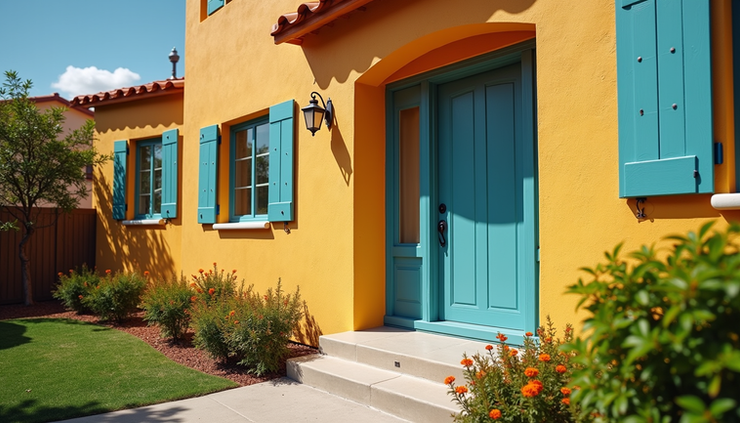
Install Storm Shutters and Protective Features
Storm shutters provide extra protection during severe weather events like hurricanes or nor’easters. They shield windows from flying debris and reduce wind pressure on the home.
Choose roll-down or accordion shutters for easy deployment.
Storm panels made of metal or polycarbonate offer a budget-friendly option.
Reinforce garage doors and entryways with impact-resistant materials.
These features add peace of mind during extreme weather and can lower insurance premiums.
Maintain Your Exterior Year-Round
No improvement lasts without regular maintenance. New England homeowners should:
Inspect siding, roofing, and gutters twice a year.
Clear snow from roofs and around the foundation promptly.
Trim trees to prevent branches from damaging the home during storms.
Check caulking and seals around windows and doors annually.
Routine care extends the life of your exterior improvements and prevents costly repairs.
New England’s weather demands thoughtful exterior home improvements that combine durability, energy efficiency, and protection. Choosing the right siding, roofing, windows, and drainage systems helps your home withstand harsh winters and humid summers. Regular maintenance keeps these upgrades performing well for years.


