Winter Storm Damage: Essential Tips for New England Homeowners

Winter storms in New England bring more than just snow and cold. They can cause serious damage to homes, leaving homeowners with costly repairs and safety concerns. Understanding the risks and knowing how to prepare can save you time, money, and stress when the next storm hits.
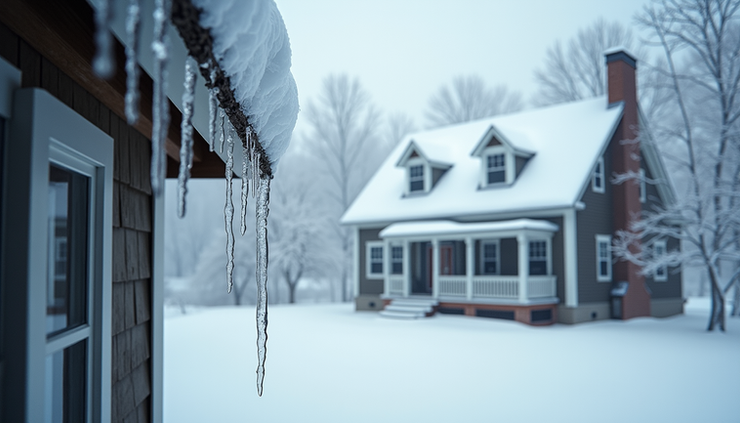
Common Types of Winter Storm Damage in New England
Winter storms can affect homes in several ways. Knowing the most common types of damage helps homeowners identify problems early and take action.
Roof Damage
Heavy snow and ice buildup can strain roofs, causing shingles to crack or even collapse in extreme cases. Ice dams form when melting snow refreezes at the roof’s edge, preventing proper drainage and leading to leaks inside the home.
Frozen Pipes
When temperatures drop below freezing, water inside pipes can freeze and expand, causing pipes to burst. This leads to water damage that may go unnoticed until the ice thaws.
Power Outages and Heating Failures
Winter storms often cause power outages, which can disrupt heating systems. Without heat, pipes are more likely to freeze, and indoor temperatures can drop to unsafe levels.
Tree and Branch Damage
Snow and ice accumulation on trees can cause branches to break and fall on roofs, windows, or power lines, creating hazards and property damage.
How to Prepare Your Home Before Winter Storms
Preparation is key to minimizing winter storm damage. Taking steps before the storm season helps protect your home and family.
Inspect and Maintain Your Roof
Check for loose or missing shingles and repair them before winter. Clean gutters to ensure proper drainage and reduce ice dam risks.
Insulate Pipes and Seal Leaks
Wrap exposed pipes with insulation sleeves or heat tape. Seal gaps around windows, doors, and where pipes enter the home to keep cold air out.
Trim Trees Near Your Home
Remove dead or weak branches that could break under snow weight. This reduces the chance of falling limbs causing damage.
Prepare for Power Outages
Have backup heating options like a wood stove or portable heater. Stock up on batteries, flashlights, and non-perishable food.
Install Storm Windows or Plastic Film
These add an extra layer of insulation, helping keep heat inside and reducing drafts.
What to Do During a Winter Storm
When a storm arrives, safety and damage prevention become priorities.
Avoid Going Outside Unless Necessary
Stay indoors to avoid injury from icy conditions or falling branches.
Keep Heat On and Pipes Warm
Maintain a consistent indoor temperature. Let faucets drip slightly to keep water moving and prevent freezing.
Clear Snow Safely
Remove snow from walkways and driveways to prevent slips. Use a roof rake to gently clear heavy snow from the roof if it’s safe to do so.
Monitor for Signs of Damage
Listen for unusual sounds like creaking roofs or dripping water. Check for leaks or ice dams forming inside.
Steps to Take After a Winter Storm
Once the storm passes, inspect your property carefully to catch any damage early.
Check the Roof and Gutters
Look for missing shingles, ice dams, or water stains inside the attic. Clear gutters of ice and debris.
Inspect Pipes and Plumbing
Look for leaks or water pooling around pipes. If you suspect a burst pipe, shut off the main water valve and call a plumber immediately.
Assess Trees and Landscaping
Remove fallen branches and check for damage to trees that might pose future risks.
Document Damage for Insurance
Take photos and notes of any damage. Contact your insurance company promptly to start claims if needed.

When to Call Professionals
Some winter storm damage requires expert help. Knowing when to call professionals can prevent further harm.
Roof Repairs
If you notice significant damage or leaks, hire a licensed roofer to assess and fix the problem.
Plumbing Emergencies
Burst pipes or major leaks need immediate attention from a plumber to avoid extensive water damage.
Electrical Issues
Power outages or damage to electrical systems should be handled by a qualified electrician.
Tree Removal
Large fallen branches or trees near power lines require professional removal for safety.


